
Losing a tooth feels like a big deal. Because it is. You notice the gap every time you smile, chew, or run your tongue across it. And honestly, the visible gap is only part of the story. What’s happening underneath, in your jawbone and gums, matters a whole lot more.
Here’s the thing about dental implants. Most people think of them as “just a replacement tooth.” They’re way more than that. They tackle a bunch of problems at once, some you probably haven’t even thought about yet. If you’ve been searching for dental implants in Garland, let’s go through six problems they can actually help with.
First, What Exactly Is a Dental Implant?
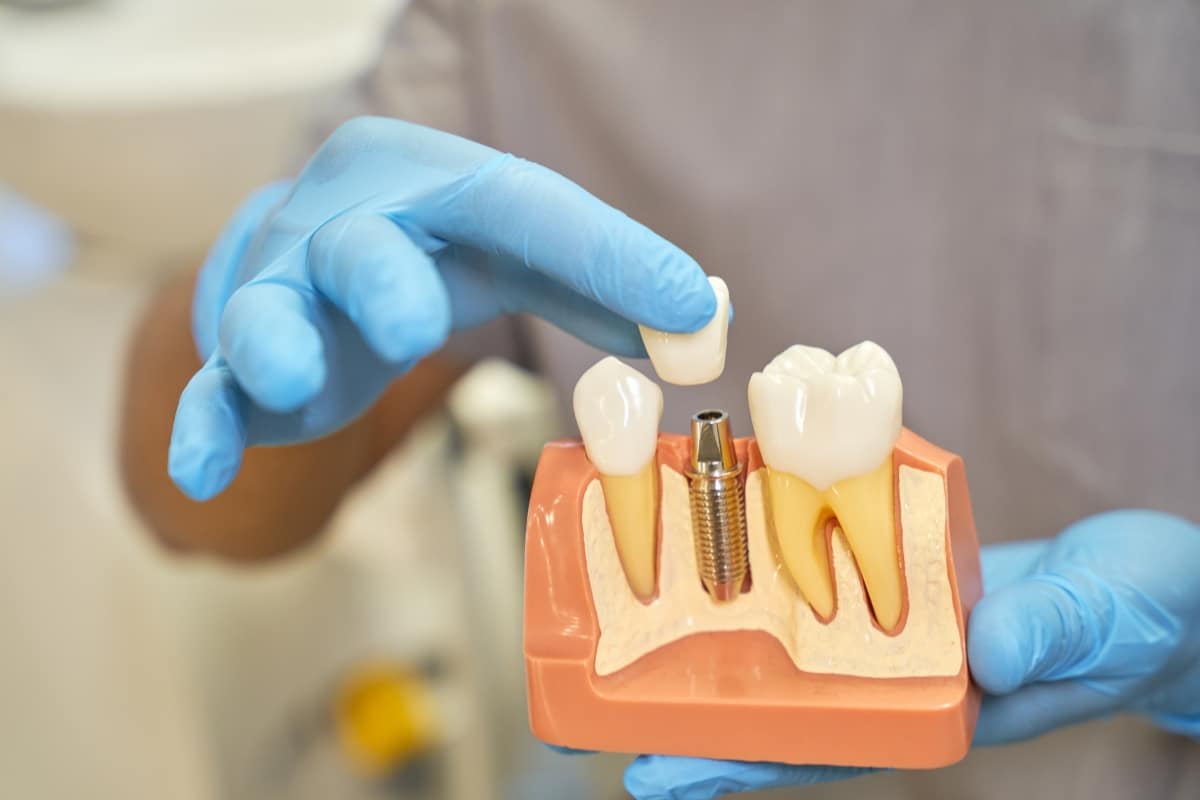
Quick refresher. A dental implant is a small post, usually made of titanium, that a dentist places into your jawbone. It acts like a tooth root. Over a few months, the bone fuses around it (that’s called osseointegration), and the post becomes a solid anchor. A crown, bridge, or denture then attaches on top.
So you’re not just covering a gap. You’re rebuilding the tooth from the root up. That’s what makes it different from most other options.
6 Dental Problems Dental Implants Can Counter
1. Missing Teeth
This one’s the obvious one. Whether you lost a tooth to decay, gum disease, an accident, or an extraction, implants fill the space with something that looks, feels, and works like a natural tooth.
You can replace a single tooth, several teeth, or even a full arch. And unlike a removable option, an implant stays put. No taking it out at night. No fuss. People who choose dental implants in Garland often say the best part is simply forgetting they have one.
2. Jawbone Loss
Here’s what a lot of people don’t realize. When a tooth goes missing, the bone that once held it starts to shrink. No root, no stimulation, so the body gradually reabsorbs that bone. Over time, this can change your face shape, making your cheeks look sunken and adding years to your appearance.
Implants help here because the post acts like a natural root. It stimulates the jawbone every time you chew, which helps preserve it. Bridges and dentures can’t do that, since they sit on top of the gums rather than in the bone.
3. Loose or Uncomfortable Dentures
Ever had a denture slip while you were talking or eating? It’s embarrassing, and it’s incredibly common. As your jawbone changes shape, dentures stop fitting well. You end up using adhesives, getting relines, and avoiding certain foods.
Implant-supported dentures fix that. A few implants hold the denture firmly in place, so it doesn’t wobble or click. Many patients say eating becomes enjoyable again. Steak, apples, corn on the cob, foods they’d given up on, suddenly come back on the menu.
4. Difficulty Chewing and Speaking
Missing teeth change how you bite down. You start chewing on one side, avoiding tough foods, or swallowing bigger pieces than you should. That can affect digestion and nutrition over time. Gaps also change how air moves through your mouth, which can cause slurred or lisping speech.
Implants restore strong bite force, usually close to that of natural teeth. Because they stay fixed, you can talk, laugh, and eat without worrying about movement. A dentist in Garland can tell you whether implants make sense for your specific bite.
5. Shifting and Crooked Teeth
Teeth like company. When one disappears, the neighbors tend to drift toward the gap, and the tooth above or below may start growing into the empty space. That leads to crooked teeth, bite problems, and spots that are harder to clean.
Placing an implant fills the space and keeps everything in line. The sooner you replace a missing tooth, the less shifting you’ll likely deal with.
6. Damaged Teeth That Can’t Be Saved
Sometimes a tooth is simply too far gone. Severe decay, deep cracks, or failed root canals sometimes leave a dentist with one option, removing it. That’s tough news to hear, but it isn’t the end of the road.
After the tooth is extracted, an implant can replace it with a long-lasting, natural-looking solution. In some cases, your dentist may even place an implant right after extraction, depending on your bone and gum health. Ask a provider offering dental implants in Garland whether that route might work for you.
Why Choose Implants Over Other Options?
Fair question. Bridges and dentures have been around for ages, and they work for plenty of people. But they come with trade-offs.
A bridge needs neighboring healthy teeth to be filed down for support. Dentures can slip and need regular replacing. Implants stand on their own, protect your jawbone, and with good care, they can last decades. Many last a lifetime. Success rates often land around 95 to 98 percent, which is pretty impressive for any medical procedure.
They’re not cheap upfront, sure. But when you factor in longevity and fewer replacements, many people feel the value adds up.
Are You a Good Candidate?
Most healthy adults are. You need enough jawbone to hold the implant, healthy gums, and a commitment to good oral hygiene.
If you don’t have enough bone, a bone graft may help build it back up. A consultation with a dentist near Garland usually includes an exam and imaging to see where you stand.
Caring for Your Implants
Good news, it’s pretty simple. Brush twice a day, floss daily, and keep up with regular checkups. Implants can’t get cavities, but the gums around them can still get infected if you neglect cleaning. That condition, called peri-implantitis, is the main threat to implant success. Regular visits catch trouble early.
FAQs
Q: Does getting a dental implant hurt?
The procedure is done with anesthesia, so you shouldn’t feel pain during it. Afterward, mild soreness and swelling are normal and typically manageable with over-the-counter medication.
Q: How long do dental implants last?
With proper care, they can last 25 years or more, and many last a lifetime. The crown on top may need replacing after 10 to 15 years.
Q: How long does the whole process take?
It varies. From placement to the final crown, most cases take about three to six months, depending on healing and whether grafting is needed.
Q: Can I get implants if I’ve had missing teeth for years?
Often, yes. Long-term tooth loss may mean some bone loss, but grafting can sometimes rebuild what’s needed.
Q: Is it worth looking into dental implants in Garland versus dentures?
For many people, yes. Implants offer better stability, bone protection, and comfort. A consultation will show which option fits your needs and budget.
Ready to Restore Your Smile?
Missing teeth don’t have to define how you eat, speak, or smile. If you’re exploring dental implants in Garland, Campbell Crossing Dentistry can walk you through your options and build a plan that fits you. Book your appointment or visit us at 1204 Thomasville Ct, Garland, TX 75044, to maintain better oral health.